Mental health is no longer the enigma that it used to be. It is, in fact, better understood today than at any point in history. It’s a result of decades’ worth of study.

In the wake of the COVID-19 pandemic, mental health issues have gotten worse. Since May 2020, more than three out of ten adults in the United States have disclosed having an anxiety or depression condition. In contrast, about one in ten people in 2019 reported having an anxiety or depressive condition. In the past two years, 32.0% of individuals in California 31.6% of adults nationwide reported having symptoms of an anxiety or depressive condition.
The good thing about this awareness is that now people are seeking help becoming more aware of therapy. Therapy works wonders for mental issues. The situation in the US can easily get better. People can find therapists in California, which is a big city, also in any small suburban city.
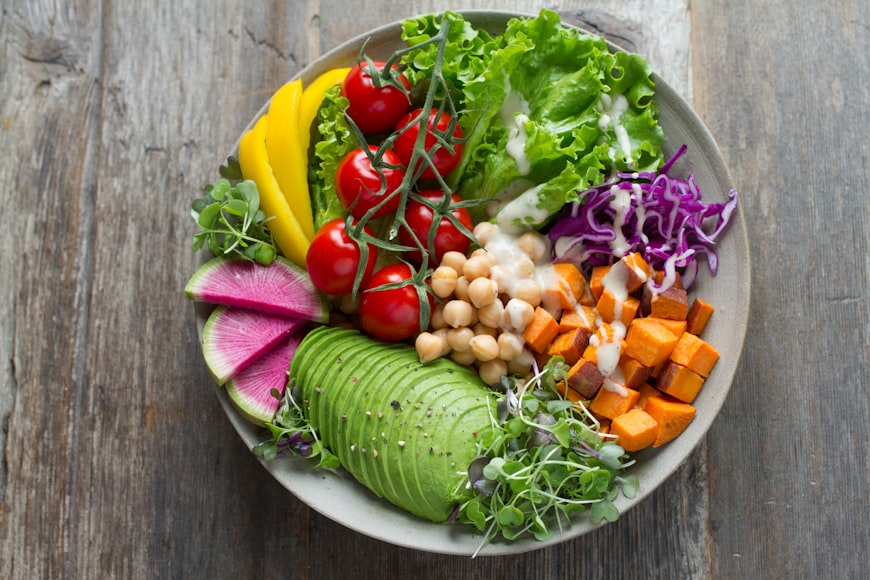
With all the science to back the nutritional value the effect they have on humans, food is used to achieve different results. Mindful inclusion of foods can help you with mental issues, including depression, insomnia, anxiety, more.
Let’s see what these foods are how they help:
Tomato
Easy to include in your diet in the form of salads, tomato is a depression fighter. It is high in folic acid, its deficiency is found to be one of the many major reasons that can cause depression.
Folic acid can stop the body from producing too much homocysteine, which limits the creation of vital neurotransmitters like serotonin, dopamine, norepinephrine.
But remember that ketchup is typically only eaten in very small amounts. Therefore, eating raw tomatoes – which also have significantly less sugar than ketchup – might make it simpler to increase your lycopene consumption.
Apple
If consumed along with the other items, an apple a day may deter the depression, at least temporarily. Apples include lots of antioxidants, which, like those in berries, can reduce inflammation decrease oxidative stress on cells. They also include a lot of soluble fiber, which regulates fluctuations in blood sugar.
Tip if you do like apples: spread some almond butter on bread, throw in some apple slices as a snack, munch it on the go. You will also get fiber along with omega-3 fatty acids.
Berries
Young or old, all of us love berries. Young people also need them more, as the research shows that depression is widespread among people between 18-25 years of age.
If you make an effort to have a diverse breakfast each morning, it can significantly help you. Some of the highest antioxidant foods that we can eat are blueberries, blackberries, raspberries, strawberries, raspberries.
A study showed that individuals who received antioxidant treatment had a considerably lower depression score after two years. Antioxidants function as DNA restorers. Your cells are constantly being fixed, protecting them against diseases like cancer.
Spinach
Although it may seem weird to associate spinach with depression, leafy greens like spinach, lettuce, swiss chard, watercress have several advantages that promote both physical mental wellness.
Leafy greens are good for depression because they include folate, which is crucial for boosting heart digestive health.
Leafy greens play a big role in the Mediterranean diet as well. According to research, those who follow this diet generally have happier healthier lives. In comparison to those who are not on this diet, they are also less prone to experience depression. On the contrary, 21.0 million U.S. adults have had a serious depressive episode.
Think about increasing your intake of leafy greens by:
– Preparing extra salads for dinner lunch
– Incorporating them into juices or fruit smoothies
– By baking them to make chips, such as kale chips
– The use of greens as wraps, such as in lettuce-wrapped burgers
– Making soups with them.
Salmon
Salmon is known as one of the world’s most nutrient-dense foods offers a number of other advantages. For starters, salmon is high in omega-3 fatty acids, which are good for lowering blood pressure lowering the risk of cancer. Salmon is a satisfying, low-fat dish since it has a significant amount of protein (22–25 grams per serving).
Astaxanthin, another antioxidant found in salmon, aids in the defense of the nervous system the brain. Additionally, astaxanthin helps protect skin from aging promotes youth.
Finally, salmon fights inflammation valiantly. Research is still revealing the link between depression inflammation. Studies in science continue to show a larger correlation between depression risk inflammation levels. This fact may also be due to the fact that many important diseases, including diabetes, cancer, heart disease, are triggered by inflammation. Any of these conditions may potentially make depression more likely.
Dark Chocolate
Boys girls, here’s one more justification for you to indulge in some chocolate. Both your general health depression can benefit from dark chocolate. Contrary to what many people think, dark chocolate can be quite nourishing. Around 11 grams of fiber, 89% of the daily needed copper intake, 98% of the daily recommended manganese intake, 67% of the daily recommended iron intake may all be found in a bar of chocolate with 70-85% cocoa content.
Research has found that women are more prone to depression than men, so dark chocolate could be a good gift, boys!
It is common knowledge that eating a balanced, healthy diet has numerous physical advantages. You might not be aware of the positive effects that following the same straightforward dietary advice can have on mood, energy levels, general well-being, though. Knowing the correct things to eat when you’re feeling down or even negatively influenced by a shift in the seasons might help you get through those symptoms prevent depression.