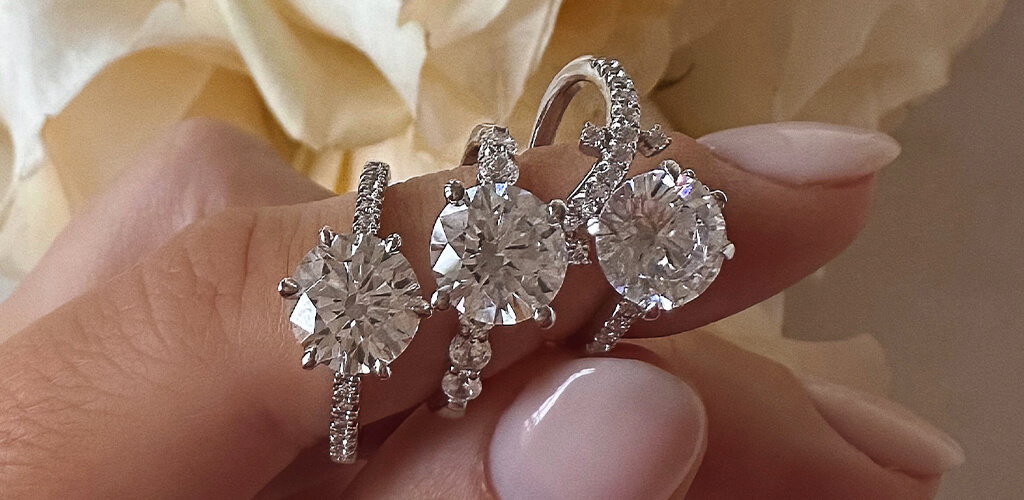
Diamonds have long been cherished for their rarity, beauty, symbolism of eternal love. However, advancements in technology have introduced a new player in the diamond industry: lab-grown diamonds. These diamonds, also known as synthetic or cultured diamonds, are created in laboratories under controlled conditions that mimic the natural diamond-growing process. In this article, we delve into the world of lab-grown diamonds as viable substitutes for natural diamonds, exploring their benefits, ethical considerations, market trends.
Lab-Grown Diamonds
Lab-grown diamonds are chemically physically identical to natural diamonds, with the primary difference being their origin. While natural diamonds are formed deep within the Earth’s mantle over millions of years, lab-grown diamonds are produced in a matter of weeks using advanced technological processes. These processes include High Pressure-High Temperature (HPHT) Chemical Vapor Deposition (CVD), both of which replicate the conditions necessary for diamond crystal growth.
The Benefits of Lab-Grown Diamonds
Ethical Considerations: One of the significant advantages of lab grown diamonds is their ethical sourcing. Unlike natural diamonds, which may be associated with environmental concerns labor practices in some regions, lab-grown diamonds are produced in controlled environments, minimizing the impact on the environment ensuring fair labor practices.
Cost-Effectiveness: Lab-grown diamonds are often more affordable than natural diamonds of similar quality. This affordability opens up opportunities for consumers who desire the beauty durability of diamonds without the hefty price tag.
Consistency Quality: Due to the controlled production process, lab-grown diamonds exhibit excellent consistency in terms of color, clarity, cut. This consistency allows consumers to select diamonds with confidence, knowing they will receive a high-quality product.
Environmental Sustainability: The production of lab-grown diamonds consumes less energy has a lower carbon footprint compared to mining natural diamonds. This aspect makes lab-grown diamonds a more environmentally sustainable choice for environmentally-conscious consumers.
Market Trends Consumer Perception
In recent years, the demfor lab-grown diamonds has been steadily increasing. This trend can be attributed to several factors, including growing awareness of ethical sustainable practices among consumers, the desire for affordable luxury, advancements in diamond-growing technologies that enhance the quality of diamond substitutes.
Consumer perception of lab-grown diamonds has also evolved positively. Many consumers now view lab-grown diamonds as a responsible modern choice, aligning with their values of sustainability ethical consumption. As a result, jewelers retailers are increasingly offering lab-grown diamonds alongside natural diamonds to cater to diverse consumer preferences.
The Future of Diamonds: Embracing Diversity
The rise of lab-grown diamonds represents a shift in the traditional diamond industry, highlighting the importance of innovation sustainability. While natural diamonds will continue to hold sentimental value allure, lab-grown diamonds offer a compelling alternative that appeals to a changing market landscape.
As technology continues to advance consumer preferences evolve, the diamond industry is poised to embrace diversity in diamond choices, ensuring that consumers have access to a range of options that meet their needs values.