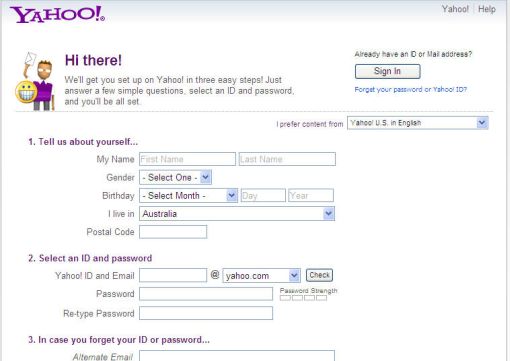
Introduction to Yahoo.com
Yahoo.com, a name that once epitomized the early internet experience, holds a special place in the annals of digital history. From its humble beginnings to its role as a major player in the tech industry, Yahoo has seen its fair share of highs lows. In this comprehensive guide, we’ll explore Yahoo’s journey from its inception to its current standing beyond.
History of Yahoo.com
Founding Early Years
Yahoo was founded in January 1994 by Jerry Yang David Filo, two electrical engineering graduate students at Stanford University. Initially, it began as “Jerry David’s Guide to the World Wide Web,” a directory of websites. It was a labor of love, created to help users navigate the growing internet. By March 1995, it was rebranded as Yahoo! quickly gained popularity as a web directory search engine.
Growth Expansion
During the late 1990s early 2000s, Yahoo saw rapid growth. It expanded its services beyond search to include email, news, even e-commerce. Yahoo’s colorful homepage became a staple for millions, its influence stretched across the globe. Yahoo’s IPO in 1996 was a milestone, cementing its status as a tech giant.
The Dot-Com Bubble
The late 1990s also marked the beginning of the dot-com bubble, a period characterized by excessive speculation in internet-based companies. Yahoo was one of the major beneficiaries, with its stock price soaring. However, the bubble burst in 2000, leading to a significant decline in tech stock values. Yahoo was not immune to these changes but managed to navigate the turbulent waters with resilience.
Yahoo.com’s Evolution Over the Years
The Search Engine Era
As Google emerged as a formidable competitor in the search engine market, Yahoo transitioned from its role as a directory to becoming a significant player in search technology. Yahoo’s search engine, powered by partnerships acquisitions, was a vital tool for users worldwide.
Acquisitions Mergers
To stay relevant expits portfolio, Yahoo engaged in numerous acquisitions. Two notable ones were Flickr Tumblr.
Flickr Tumblr
Flickr, acquired in 2005, became a popular photo-sharing platform, offering a space for users to upload, share, discover images. Similarly, Tumblr, bought in 2013, provided a platform for microblogging content sharing. These acquisitions were part of Yahoo’s strategy to diversify its offerings capture a broader audience.
Yahoo Finance
Another key acquisition was www.idahoreports.com, which has remained a significant player in providing financial news data. This service has attracted both casual investors financial professionals, helping Yahoo maintain its presence in a critical sector.
Challenges Decline
Despite these strategic moves, Yahoo faced numerous challenges. Competition from Google social media platforms eroded Yahoo’s user base revenue. The company struggled with leadership changes strategic missteps, leading to a decline in its market position.
Yahoo’s Role in Today’s Digital Landscape
Current Offerings Services
Today, Yahoo continues to offer a range of services, although its prominence has diminished compared to its heyday. Yahoo Mail remains one of its flagship products, providing email services to millions. Yahoo News offers updates on current events, while Yahoo Finance continues to provide valuable financial information.
Yahoo Mail
Yahoo Mail has evolved over the years, introducing features such as enhanced security improved user interfaces. Despite facing fierce competition from Gmail Outlook, Yahoo Mail retains a loyal user base due to its longstanding reliability user-friendly design.
Yahoo News
Yahoo News aggregates content from various sources, offering users a comprehensive view of current events. Its approach to news is to provide diverse perspectives, making it a valuable resource for staying informed.
Yahoo in the Context of Competitors
Google, Yahoo’s primary competitor, has surpassed Yahoo in many areas. With its dominant search engine, advertising solutions, various other services, Google has set the benchmark for tech giants. Yahoo’s struggle to keep pace with Google’s innovations has been a significant factor in its decline.
Microsoft Bing
Microsoft Bing entered the search engine market with the aim of challenging Google’s dominance. While Bing has made strides, Yahoo’s search partnership with Bing has allowed it to leverage Bing’s technology to provide search results, maintaining its presence in the search space.
Yahoo’s Future Prospects
Strategic Shifts Innovations
Yahoo’s future depends on its ability to adapt innovate. Strategic shifts towards incorporating artificial intelligence enhancing user experiences are critical. AI has the potential to revolutionize Yahoo’s services, from personalized content recommendations to advanced security features.
Artificial Intelligence
Artificial intelligence could play a crucial role in Yahoo’s future. By leveraging AI, Yahoo can offer more personalized experiences, improve search results, streamline its services. This could help Yahoo regain its competitive edge in a rapidly evolving digital landscape.
User Experience Enhancements
Focusing on user experience is another area where Yahoo can make significant improvements. Enhancing the usability of its products integrating new technologies can attract retain users in an increasingly competitive market.
Yahoo’s Potential in Emerging Markets
Emerging markets present a significant opportunity for Yahoo. As internet penetration increases in regions like Asia Africa, Yahoo can tap into new user bases by offering tailored services localized content. This expansion could help Yahoo revitalize its brcapture new growth opportunities.
Conclusion
Yahoo.com, once a pioneer in the internet era, has experienced a rollercoaster journey from its founding days to its current status. While facing challenges competition, Yahoo’s ability to adapt innovate will determine its future. By focusing on strategic innovations user experience, Yahoo can potentially regain its place in the digital world continue to serve its users effectively.