
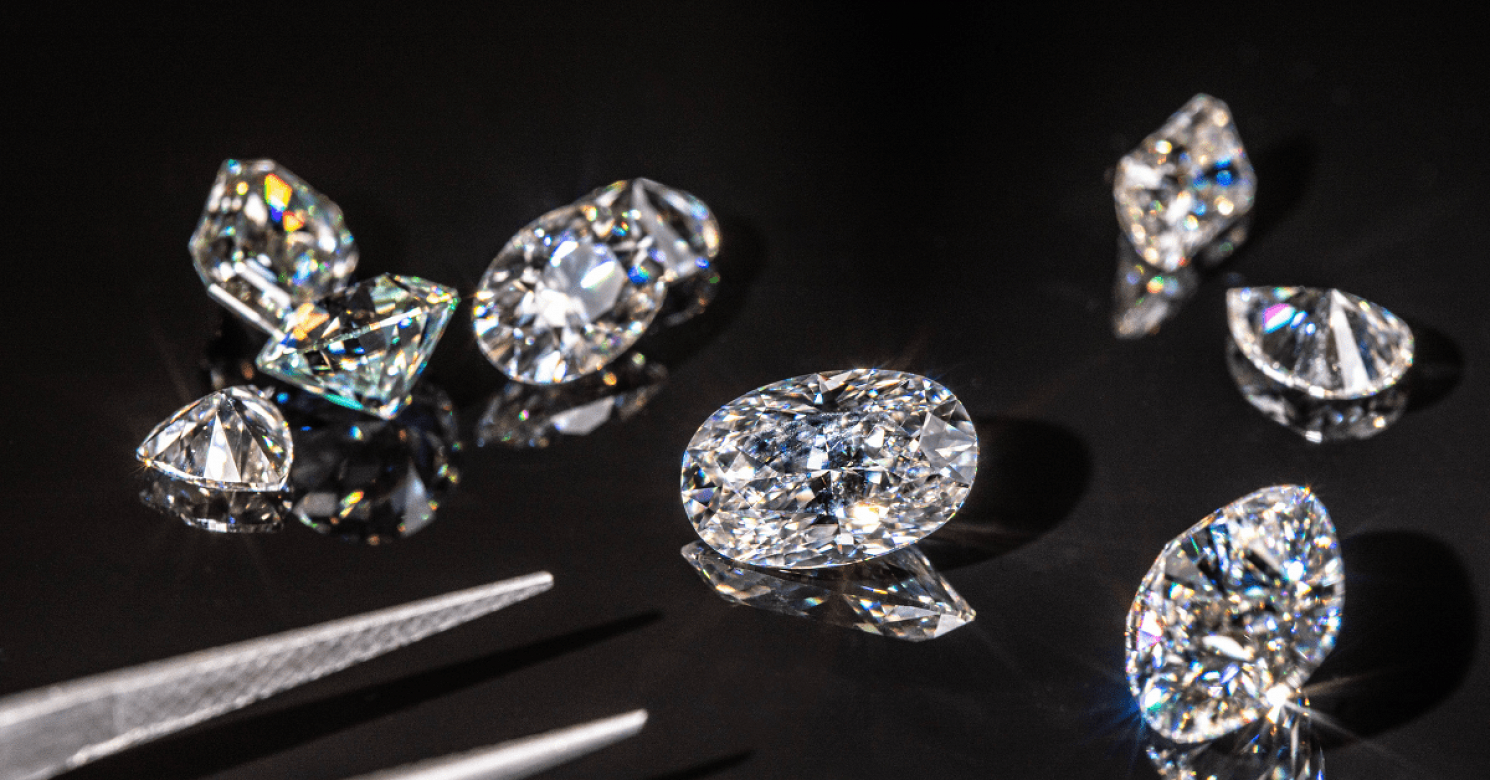
In the world of ethical luxury cutting-edge science, lab diamonds hpht lab grown diamonds are leading a revolution in the way people view purchase fine jewelry. With the growing demfor sustainable, conflict-free alternatives to mined stones, consumers are turning to these high-tech, beautiful gems that offer both aesthetic brilliance peace of mind. As awareness spreads, it’s clear that lab-created options are not just a trend—they’re the future.
What Are Lab Grown Diamonds?
Lab grown diamonds are real diamonds created in a controlled environment that mimics the natural formation process of diamonds in the Earth’s mantle. They are chemically, physically, optically identical to mined diamonds. The key difference lies in their origin.
Two main technologies are used to create lab diamonds: HPHT (High Pressure High Temperature) CVD (Chemical Vapor Deposition). Both methods produce high-quality diamonds, but each has distinct characteristics that affect the final gem.
Breaking Down Lab Diamonds HPHT
Lab diamonds HPHT are formed using the original method of diamond synthesis. This process replicates the extreme heat pressure conditions found deep underground where natural diamonds are formed over billions of years. Here’s how it works:
-
A small diamond seed is placed in a carbon source.
-
Extreme pressure heat (up to 1,500°C 1.5 million PSI) are applied.
-
Carbon melts crystallizes around the seed.
-
Over several days or weeks, a diamond grows to the desired size.
This method is particularly effective for producing high-clarity, colorless diamonds can even improve color in some stones through post-growth treatments.
HPHT vs. CVD: What’s the Difference?
While HPHT diamonds are known for their durability brilliance, the CVD method is often used for producing type IIa diamonds—known for being exceptionally pure with virtually no nitrogen atoms. However, lab diamonds hpht are still preferred for certain applications due to their hardness superior thermal conductivity.
Here’s a quick comparison:
| Feature | HPHT Diamonds | CVD Diamonds |
|---|---|---|
| Process Start | Diamond seed + carbon | Diamond seed + gas mixture |
| Conditions | High pressure & heat | Low pressure, high temp |
| Growth Time | Several days | 1–2 weeks |
| Color Range | Can be improved post-growth | May have brownish tint |
| Ideal Use | Colorless or fancy color | High-purity diamonds |
Benefits of Choosing Lab Grown Diamonds
Whether made through HPHT or CVD, lab grown diamonds offer numerous advantages over traditionally mined stones. Let’s explore why more consumers are choosing this innovative option:
1. Ethical Sourcing
Lab diamonds are produced without the need for large-scale mining operations, which are often associated with environmental damage unethical labor practices. No displacement of communities. No conflict funding. Just beautiful, conscious creation.
2. Eco-Friendly Production
Producing a lab diamonds hpht consumes significantly less lwater compared to mining. Additionally, with improvements in renewable energy, many labs are reducing their carbon footprints even further.
3. Affordable Luxury
On average, lab grown diamonds cost 30-40% less than mined diamonds of comparable quality. This price difference allows buyers to afford larger stones or more intricate custom ring settings.
4. Identical Beauty
Lab created diamonds are indistinguishable from mined diamonds to the naked eye even under a jeweler’s loupe. Only advanced gemological testing can identify their origin.
5. Customization Potential
With the rise in custom jewelry, buyers are leveraging the affordability availability of lab grown diamonds to design bespoke pieces—engagement rings, earrings, bracelets—that are truly one of a kind.
Popular Uses of HPHT Lab Diamonds
Lab diamonds hpht are especially popular in:
-
Engagement Rings: Known for brilliance clarity, they make excellent center stones.
-
Fancy Colored Diamonds: HPHT can enhance natural hues like blue, pink, or yellow, perfect for unique jewelry pieces.
-
Industrial Applications: Due to their superior hardness, HPHT diamonds are also used in cutting tools electronics.
How to Identify Verify Lab Grown Diamonds
Reputable retailers will always disclose whether a diamond is lab grown. To ensure authenticity:
-
Ask for a diamond certificate from institutions like GIA, IGI, or GCAL.
-
Look for inscriptions on the girdle (tiny laser markings denoting origin lab).
-
Verify with a professional jeweler or gemologist if in doubt.
Every legitimate lab diamonds hpht product will come with full documentation traceability.
Are Lab Diamonds the Future of Fine Jewelry?
All signs point to yes. In 2020, lab grown diamonds made up around 6% of the global diamond market. By 2025, experts predict that number could climb to 15% or more. Millennials Gen Z, in particular, are driving demdue to their values of transparency, sustainability, individuality.
Additionally, luxury brands are beginning to embrace lab grown diamonds in their collections, lending further credibility appeal to this ethical alternative.
How to Shop for HPHT Lab Grown Diamonds
When shopping for lab diamonds hpht, consider the following tips:
-
Work with trusted retailers: Choose sellers who are transparent about production methods grading.
-
Know the 4Cs: Cut, clarity, color, carat apply to lab diamonds just as they do to mined ones.
-
Request certification: Always ask for verification from an independent gemological lab.
-
Ask about treatments: Some HPHT diamonds may be color-enhanced, which can affect value.
Conclusion: HPHT Diamonds Are Changing the Game
The journey from Earth’s core to lab bench has transformed how we think about diamonds. Thanks to the HPHT process, lab diamonds hpht deliver the same sparkle, structure, symbolism as traditional diamonds—without the ethical or environmental concerns. Paired with the growing popularity of lab grown diamonds, it’s clear this technology isn’t just a niche—it’s the new standard.
In a world where values matter just as much as beauty, choosing a lab grown diamond crafted through HPHT is a modern statement of love, innovation, responsibility.


