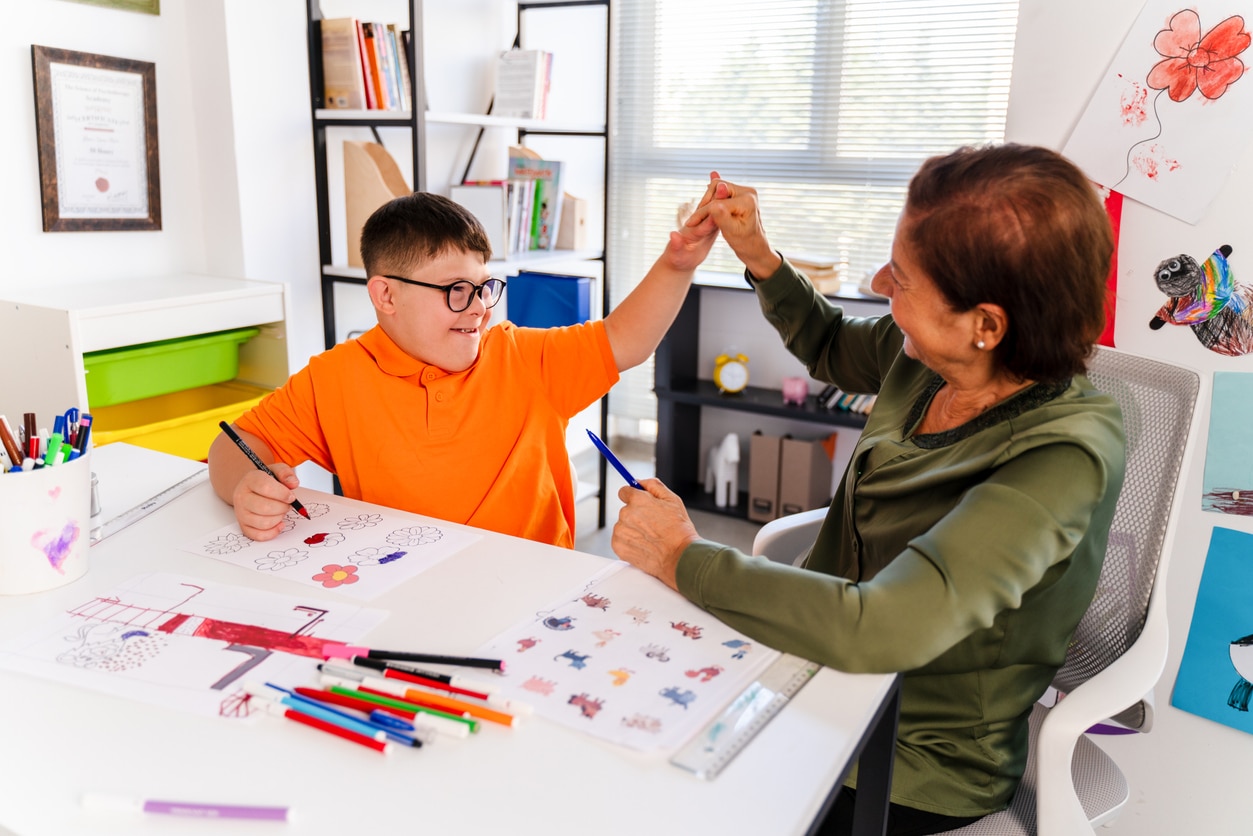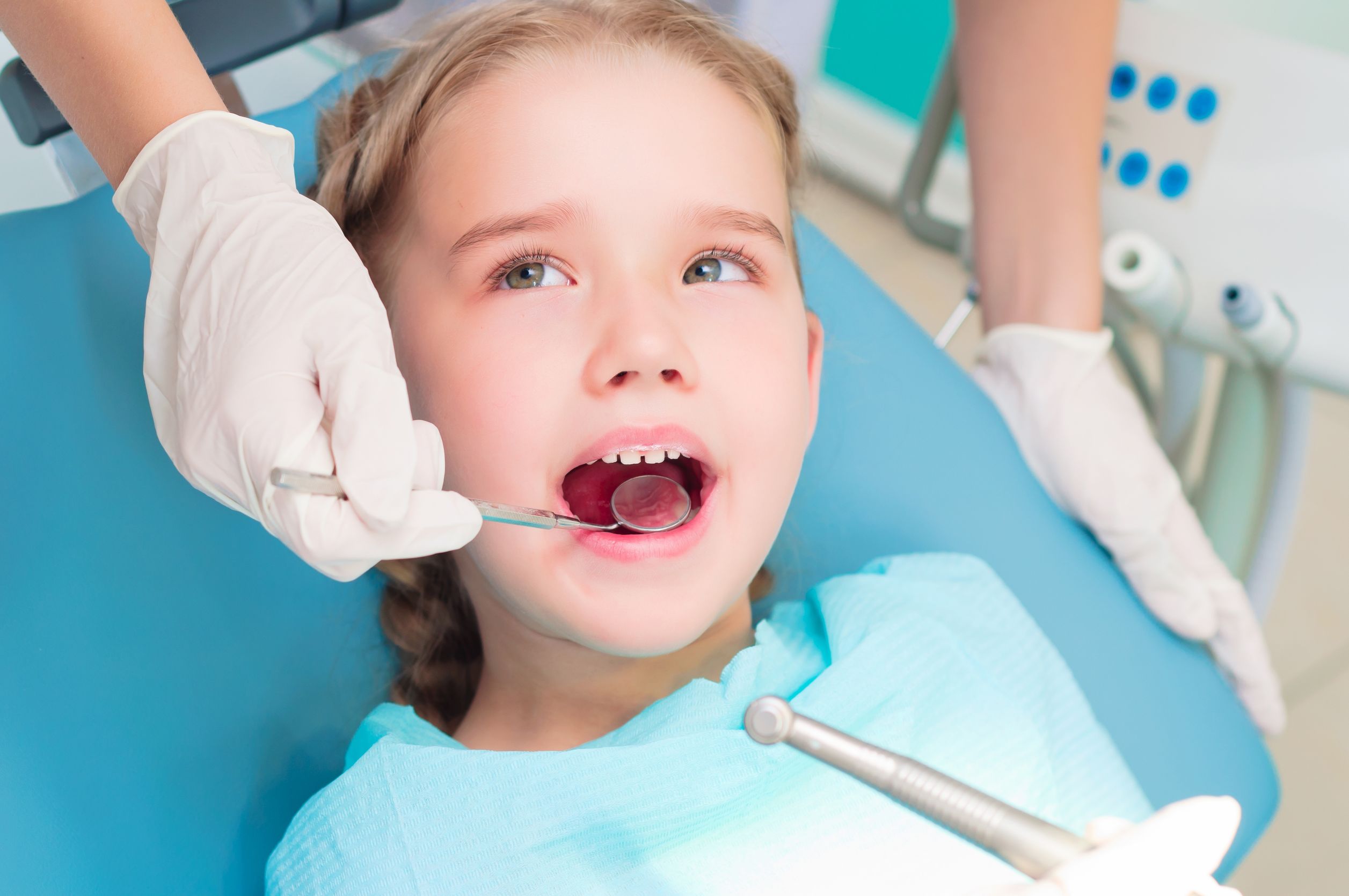
In children’s nursing, the focus is on the clinical general medical care of children, right from infancy through to the later teenage years. This specialism is vital to the wellbeing of young people because their health needs are different from those of adults. They are still growing developing, as a result, need specialist care.
Whether they work in a local clinic or a busy general hospital, nurses can have a huge impact on a child’s experience of the healthcare system. It is a fulfilling role that attracts many people who are seeking an exciting job with great career prospects. However, until recently, it took years to retrain as a nurse, for those who were already at work, that was too much of a commitment.
Training as a Nurse
Fortunately, healthcare staffing shortages in the US have led to a new wave of nurse training options being offered by academic institutions such as Baylor University, in an effort to support our medical system.
The Louise Herrington School of Nursing, located at Baylor University, offers a Texas ABSN aimed at graduates with a bachelor’s degree in a different subject. This full-time program can be completed in just one year, though it includes clinical experience a robust program of academic study. Once they have qualified, new nurses can choose to work in a range of pediatric roles, eventually take further qualifications to pursue a specialty within the field.
How Do Nurses Support Children’s Health?
Most children’s nurses are engaged with a larger multidisciplinary team which includes professionals from various specialisms. They collaborate to ensure children receive the best possible care in terms of diagnosing, treating, managing their condition, most teams will stay in place throughout the young person’s treatment.
In clinics, nurses can work independently when they care for younger patients, they are often responsible for a range of preventive care tasks. This includes giving vaccinations, speaking to the children their parents about health issues, discussing medications.
In the community, they have another key role in educating the public — as well as other professionals such as social workers — about children’s health. In other areas, practitioners might carry out research into childhood illnesses look for better treatment methods to provide young people with faster recovery times. Here is a closer look at some of the ways nurses manage children’s health.
Inviting Children And Their Parents For Well-Child Visits
During a well-child appointment, a nurse will track the young person’s growth, consider their overall health, offer vaccinations. Children who are fully up to date with all their vaccinations are less likely to suffer from a preventable condition, like whooping cough or measles. The aim is to ensure children are healthy or to give them the treatment they need to become well stay that way. These visits also allow parents to ask questions or discuss any concerns they have.
Providing Health Education To Families
Aside from the healthcare system, it is the family of each child that will be most responsible for their mental physical health. Nurses will support parents in their role as primary caregivers by offering advice on providing a healthy diet, creating a safe, stable home, nurturing their child’s development. Parents of children who live with a medical condition can expect training education from their local nurse. This ensures the family can follow a treatment plan, provide optimal care, successfully manage their child’s health.
Hospital-Based Pediatric Nursing Care
Children are not simply small adults. As they are still developing, young people have specific health needs. In a hospital, pediatric nurses care for children of all ages, from unwell newborn babies to teens who have been involved in road accidents. This is specialist work for several reasons, primarily, children are often unable to articulate their feelings as well as adults can. Therefore, pediatric nurses need to be excellent communicators ready to interpret other aspects of a child’s behavior to understwhat they are going through.
Developmental Screening And Early Interventions
Screenings are carried out by nurses in clinics hospitals across the US to monitor each child’s development ensure they are reaching their expected milestones. These tests are not invasive, most children will have no idea they are being examined. Most of the information a nurse requires is provided by parents who are asked to fill in a questionnaire. These will often include checklists based on the child’s movement, use of language, thought processes, emotions.
If the nurse finds that something is wrong, or if the parent has a specific concern, this can be investigated more thoroughly. According to the Centers for Disease Control Prevention, many children who have a developmental delay do not have their condition diagnosed at an early stage. As a result, they must wait longer than necessary to get the help support they need, this could mean they experience academic or social challenges.
Advocating for Children’s Health
One of the most vital aspects of caring for children is advocacy — nurses do this every day in many different ways. During each appointment, they ensure children are safe well cared for at home, by monitoring their physical mental health. Nurses also talk to children their families about their health, explaining any diagnosis providing treatment options, as well as answering any questions they have.
With any care plan, a nurse will double-check that the child is receiving appropriate care ensure the documentation is accurate to prevent any errors from occurring. Finally, nurses connect younger patients their parents with resources that could support their health, both in the community in the medical care system.
Caring for The Whole Child
Healthy children have the best chance of achieving their full potential in terms of education, being good citizens, eventually raising a productive, strong family. Much of the responsibility for keeping young people well rests on nurses who provide holistic care, both for families their children. Their work lessens the impact of medical conditions, ensures the right treatments are provided, sets young people up for a healthier, happier adulthood.